
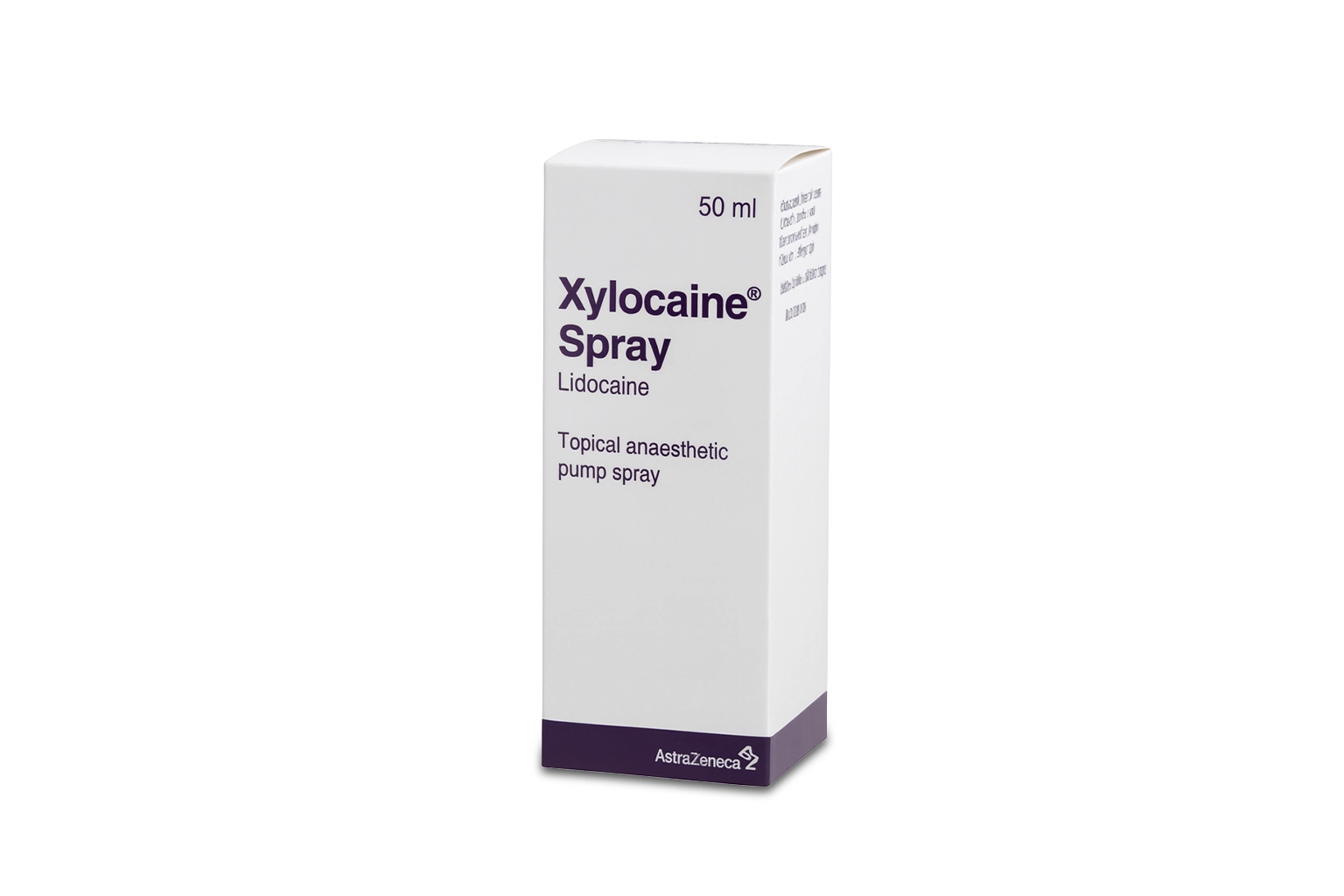
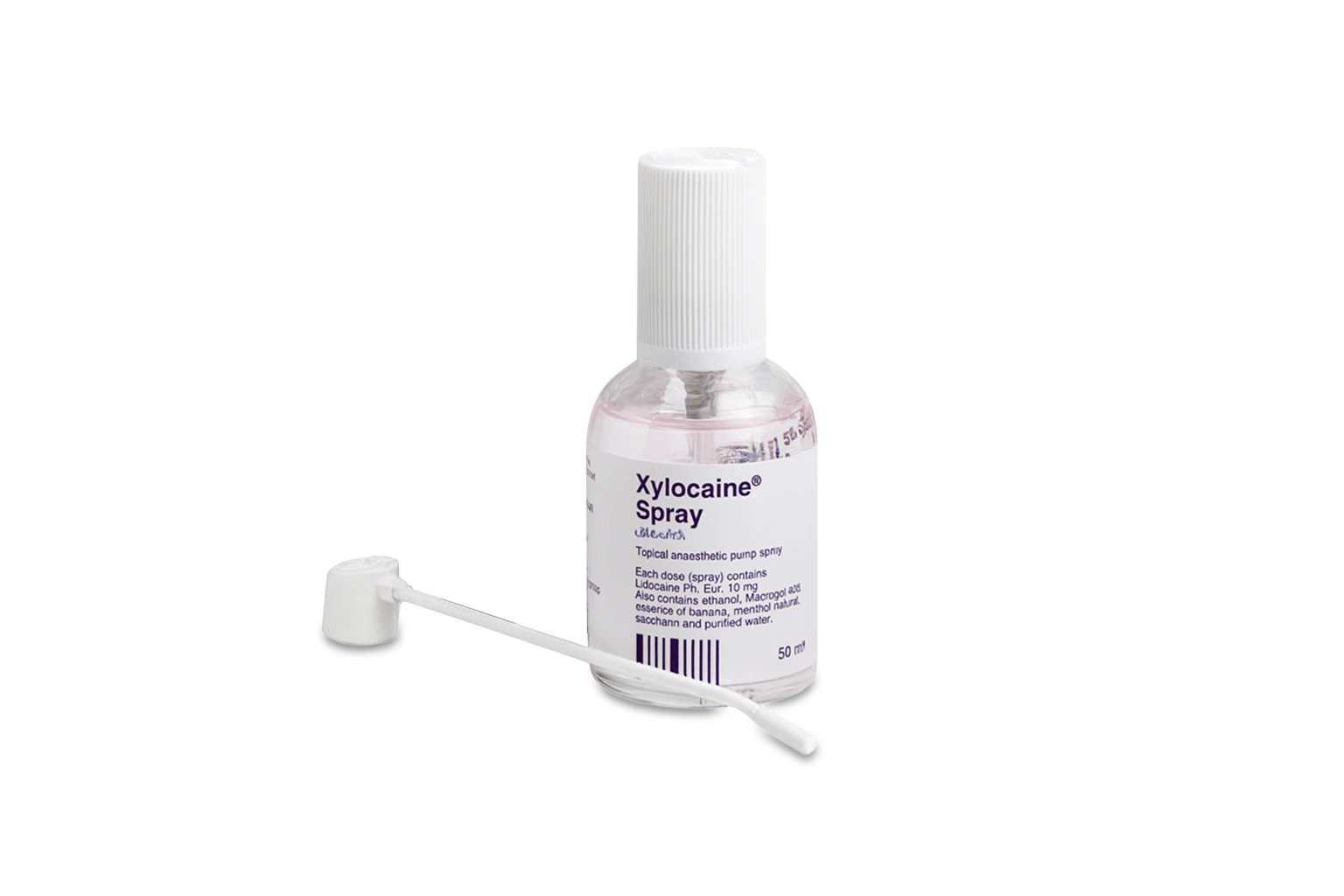
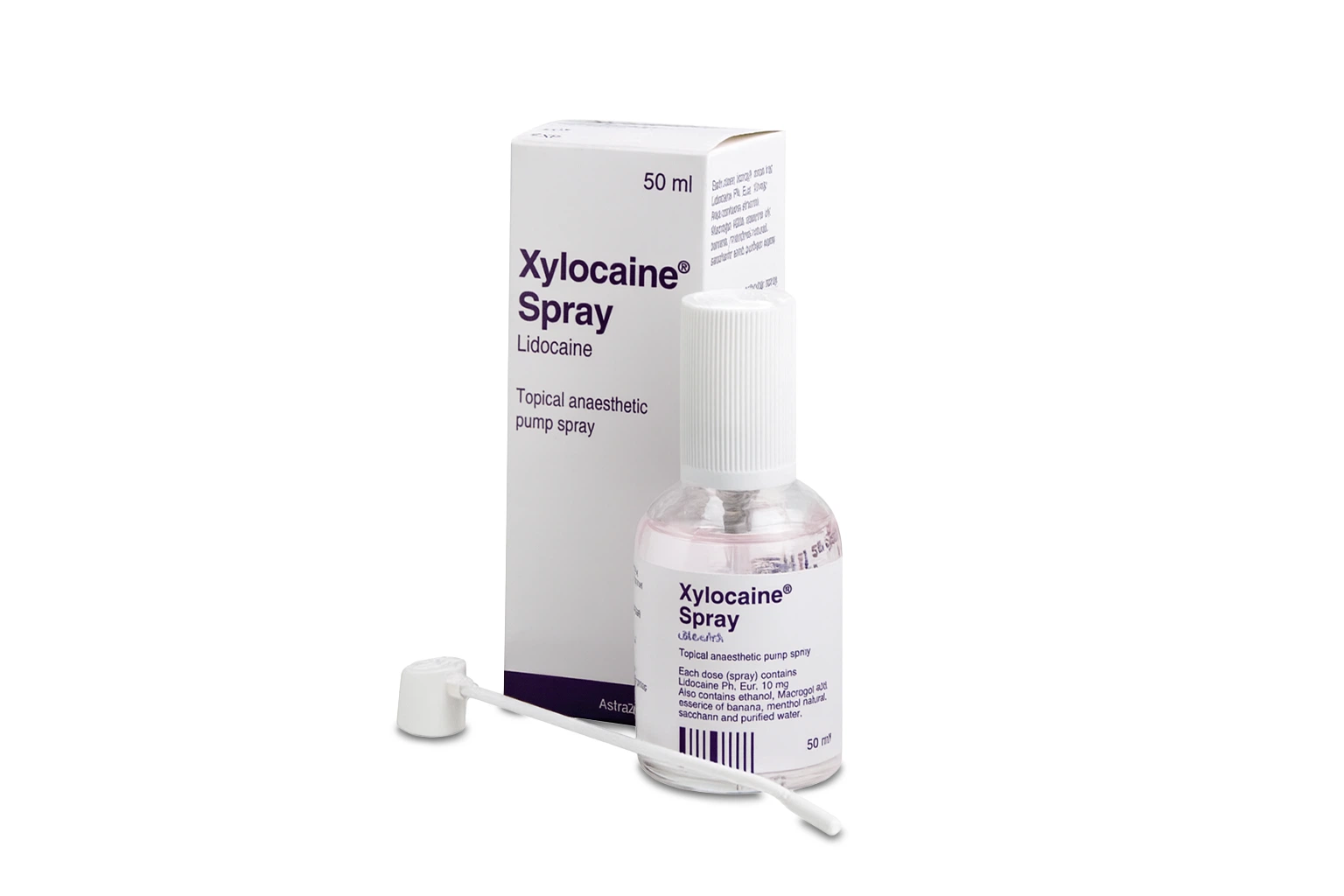

Xylocaine Spray is a fast-acting local anaesthetic spray used to numb small areas of the body. It helps block pain and the gag or cough reflex during short procedures. Xylocaine Spray contains lidocaine, a proven local anaesthetic. It comes in a pump or aerosol that delivers a measured dose to mucous membranes (the moist surfaces inside the nose, mouth, throat and upper airways) or to small areas of skin.
Key Features
| About | |
|---|---|
| Drug Class | Local Anesthetic |
| Subclass | Topical Anesthetic |
| Active Ingredient | Lidocaine |
| Product Details | |
|---|---|
| Composition | Active ingredients: Lidocaine Inactive ingredients:
|
| Packaging Type | Aerosol spray bottle |
| Pack Size | 15 g – 30 g |
| Dosage | 1–2 sprays to the affected area |
| Manufacturer | AstraZeneca |
| Shelf Life | 2–3 years from the date of manufacturing |
| Usages | For external use only, helps delay ejaculation and reduce sensitivity |
| Country of Origin | UK |
How does Xylocaine Spray works?
- Lidocaine works by blocking small electrical signals in nerves. These signals tell your brain that a part of your body feels pain.
- When the nerve signals are blocked, you feel little or no pain in the sprayed area. Because it acts locally, its effects are rapid and limited to the area treated.
A spray delivers anaesthetic quickly to a surface area. For mucous membranes and small skin areas, a spray is often easier and faster than creams or gels. It can reach awkward spots in the throat or nose without an injection. This makes Xylocaine Spray handy for short clinic procedures or when a quick numbing is needed.
Uses
- Numbing the throat or mouth before endoscopy, bronchoscopy or the insertion of tubes.
- Reducing gag or cough reflex during dental or ENT procedures.
- Numbing small skin areas for minor procedures or injections.
- Short procedures in obstetrics (as supplementary pain control) and dentistry where topical anaesthesia is needed.
Dosage
Doses vary by product strength and by the area treated. Metered sprays (for example, 10 mg per dose) give a repeatable amount each time.
How to use Xylocaine Spray step by step
- The clinician checks the product label and patient allergies. Xylocaine contains an amide-type local anaesthetic; avoid this spray if the patient has known lidocaine allergy.
- The area is visualised and cleaned if needed.
- The clinician holds the spray the correct distance (as on the product leaflet) from the target tissue.
- A measured number of sprays is applied — often one to several metered doses. Do not exceed the recommended total dose.
- Wait briefly for numbness (usually seconds to a few minutes). Then proceed with the procedure.
- Observe the patient for immediate reactions. If the patient feels odd sensations, stop and assess.
Do not self-apply strong medical sprays unless advised by a clinician. Patient leaflets advise correct use and limits.
Side effects
- Burning or stinging
- Temporary numbness
- Mild taste changes
- Rare local irritation.
Drug interactions
Lidocaine may interact with other drugs that affect heart rhythm or liver metabolism. Tell your clinician about all medicines you take, especially drugs that affect the heart or liver. Clinicians will check interactions before use.
Practical tips
- Let your clinician apply the spray. They know the correct dose and distance to spray.
- If you are offered a pamphlet or patient information leaflet, read it for instructions and side-effect warnings.
- Report any unusual numbness, ringing in the ears, seizures, fainting or irregular heartbeats to a clinician immediately.
Precautions
- Do not use Xylocaine Spray if you have a known allergy to lidocaine or other amide local anaesthetics.
- Use with caution in patients with severe heart problems, epilepsy, shock, or liver disease. Clinicians may alter the dose or choose another anaesthetic.
- Avoid excessive repeated applications. Metered sprays are designed to limit dose, but misuse can raise blood levels.
Conclusion
Xylocaine Spray is a fast, reliable topical anaesthetic. It acts quickly, is easy to apply in clinic settings, and is suited to short procedures on mucous membranes and small skin areas. When used by trained staff and within recommended doses, it offers safe, effective numbing. As with all medicines, correct use and awareness of warnings keep it safe for patients.
References
https://www.ncbi.nlm.nih.gov/books/NBK539881/
https://pubmed.ncbi.nlm.nih.gov/25759418/
FAQs
[sp_easyaccordion id=”36356″]



Reviews
There are no reviews yet.